
Graduate PRograms

At any given time, the School of Forest Resources is home to over 80 graduate students pursuing graduate degrees in various areas related to forest resources. With our first master’s student graduating in 1956, the SFR has graduated over 80 Master of Forestry, 141 Master of Science and 125 Ph.D. students as of August 2019! Many of our graduates have become prominent scientists, faculty members and professionals in their areas of specialty.

Our Advantage
Excelling in the academic world for such a long time could not have been achieved without building on a sound foundation. The research and innovation at the SFR has evolved over the years going through global transitions in research questions and societal needs, contributing to our present knowledge and technology. Relying on this robust foundation, the SFR graduate students learn how to use top-notch unparalleled research equipment, technology and facilities unique to the University of Maine. Our graduate faculty are among the top scientists and researchers in the nation with research contributions going beyond national borders.
Frequently Asked Questions
Master of Forestry
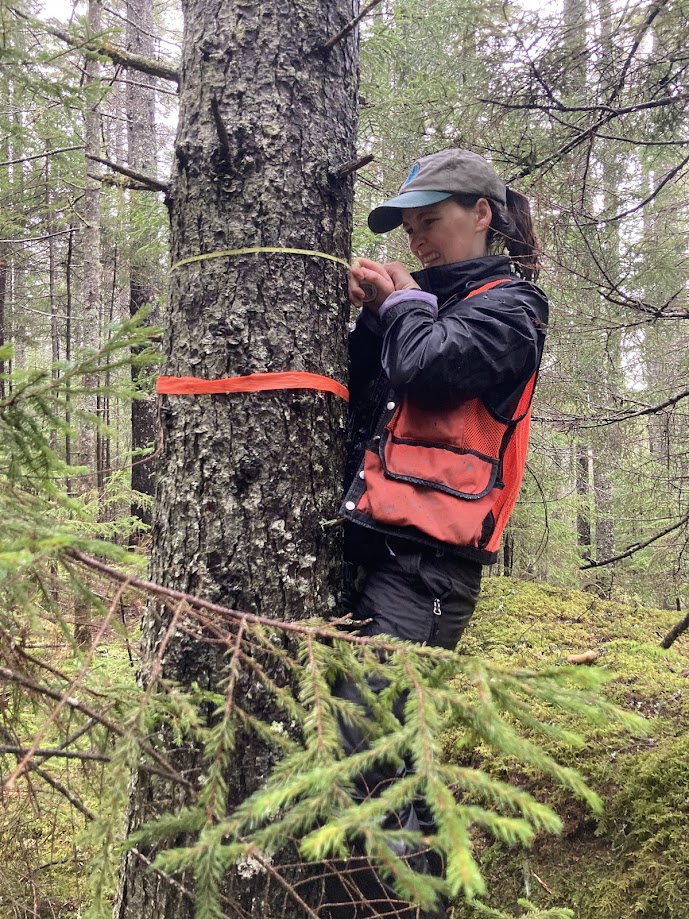
The University of Maine’s School of Forest Resources offers a program of graduate study leading to a Master of Forestry (MF) degree. The MF program is a professional, non-thesis master’s program. The MF program prepares students for a rewarding career in forest management by enhancing the abilities of professional foresters with prior experience and by allowing a career change for non-foresters.
Online Graduate Certificate in Forest Resources
The online Graduate Certificate in Forest Resources is designed for professionals and aspiring foresters who want to advance their skills in a rapidly evolving industry. This flexible, fully online program equips students with in-demand expertise in forest management, emerging technologies, data analysis, business practices, and conservation policy.
M.S. in Forest Resources
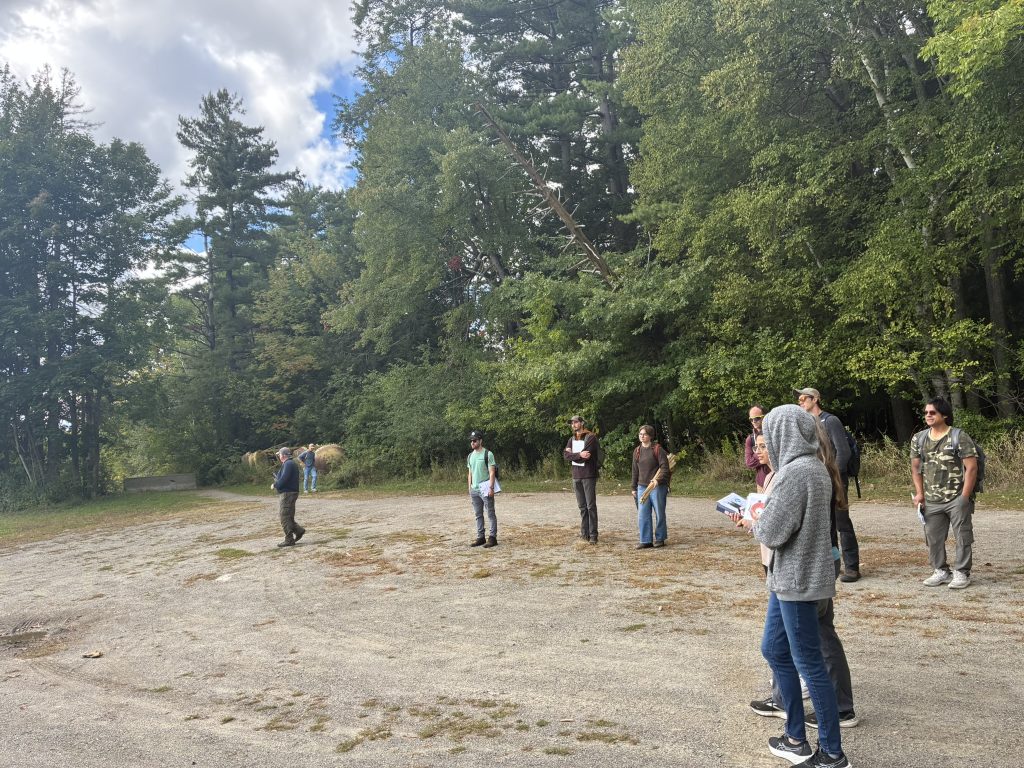
The University of Maine’s School of Forest Resources offers a program of graduate study leading to a Master of Science in Forest Resources (MS) degree. Students earning a MS in Forest Resources are expected to complete a thesis on original research that can be submitted to a scientific journal for publication.


Doctor of Philosophy in Forest Resources (Ph.D.)
The Ph.D. in Forest Resources is the highest academic degree offered requiring students with excellent academic records and experience. Students are expected to design and complete a dissertation on original research that can be published as several scientific journals papers.
Many OPtions to Choose
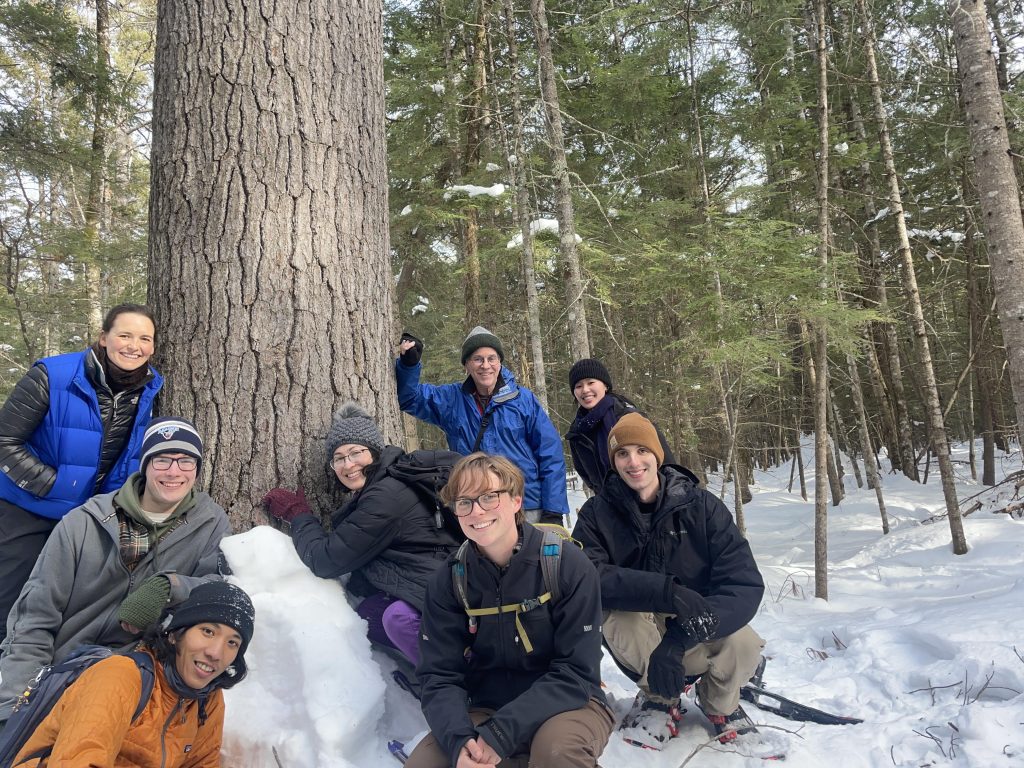
Our graduate students work closely with leading experts in their field and conduct research in Maine’s North Woods, in state-of-the-art laboratories, or at a number of locations around the world. Nearly all of our M.S. and Ph.D. graduate students are financially supported with graduate assistantships and paid tuition. Students may choose from a wide range of specialties, including:
- Forest ecology and management
- Tree biology and physiology
- Nature-based recreation and tourism
- Natural resources economics
- Forest operations science and engineering
- Forest-based bioproducts and wood science technology
graduate Program Contact
Parinaz Rahimzadeh-Bajgiran
Associate Professor of Remote Sensing of Natural Resources
School of Forest Resources
University of Maine
215 Nutting Hall, Rm. 201B
Orono, ME 04469-5755
207.581.2813
parinaz.rahimzadeh@maine.edu